


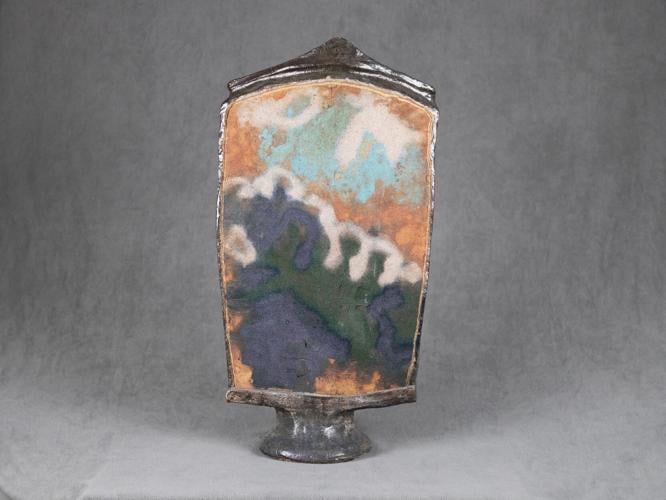
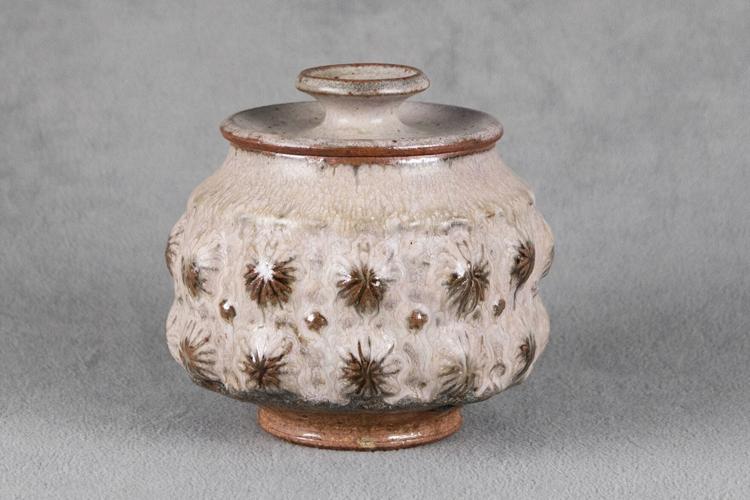
CHAMPAIGN, Ill. — The mid-20th century was a time when ceramic artists were expanding their field by experimenting with new techniques and modes of self-expression, at the same time that ceramics programs at academic institutions and regional art centers were emerging.
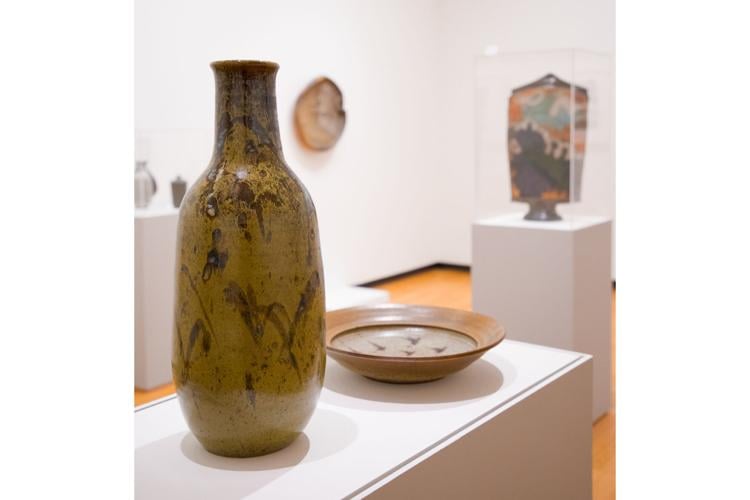
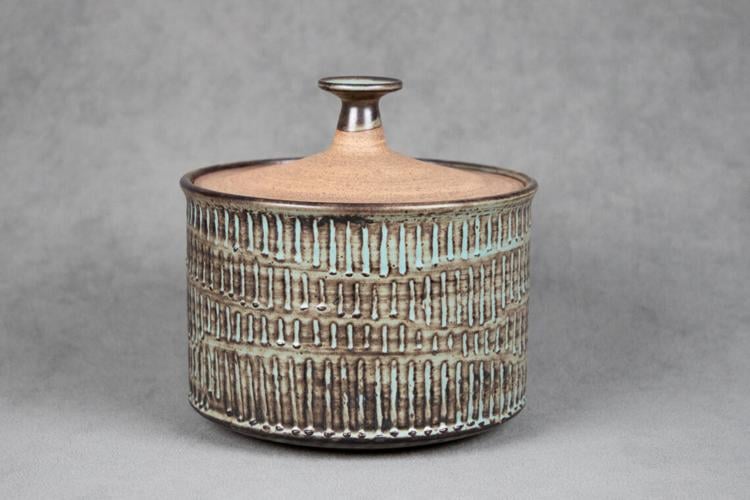
A new exhibition at Krannert Art Museum at the University of Illinois Urbana-Champaign explores this period of ceramics production and experimentation through selections from the museum’s collection. “Centering Clay: Connection and Innovation in American Studio Ceramics” opens Aug. 27, in conjunction with the museum’s opening night, and runs through Dec. 23.
The exhibition emphasizes the connections between ceramic artists, particularly through academic institutions, said Kathryn Koca Polite, the curator of the exhibition. The U. of I. was among the higher education institutions developing ceramics programs. Its art school created a craft program in 1950 that included ceramics, jewelry and metalsmithing. Donald Frith was the first professor of ceramics at Illinois, as well as the head of the craft program until 1989, Koca Polite said. In addition to his own teaching, Frith provided opportunities for students to learn from visiting artists brought in for residencies and workshops, as well as through art exhibitions that Frith helped organize.
People are also reading…
“He helped build Illinois into a regional hub for ceramics arts and ceramics arts education,” Koca Polite said.
“While this exhibition focuses on academic networks, I wanted to explore the university’s role within the larger midcentury narrative. However, this is not an exhaustive account of the studio ceramics movement, as art centers and community classes were also engaging with ceramics at this time,” she said.
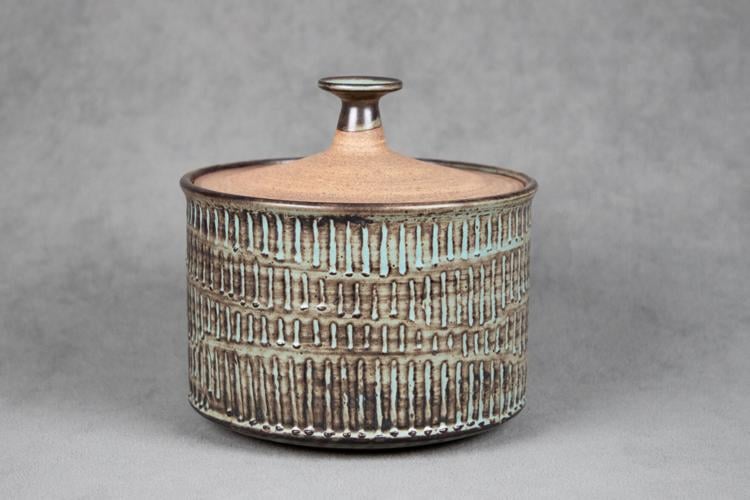
The exhibition has about 50 pieces, mostly ceramics, but a few related paintings, photographs and other works. Frith donated a number of ceramic pieces in the museum’s collection, several of which are on view in the galleries.
“The show highlights some really strong, intriguing works by significant artists,” Koca Polite said.
From the 1940s to 1970s, ceramic artists were moving away from industry and bringing their techniques and skills into their personal studios. They experimented with new techniques and glazes and moved from creating utilitarian objects to objects of self-expression, Koca Polite said.
At the same time, the GI Bill allowed artists returning from World War II to take advantage of higher education. Academic institutions started building programs in ceramics, which embraced the creative act of making something with one’s hands for trauma rehabilitation, she said. The emergence of ceramics education promoted the sharing of ideas and new ways of working. Many artists created specific glazes, patented kick wheels or kilns, and published their techniques and formulas in books and journals.
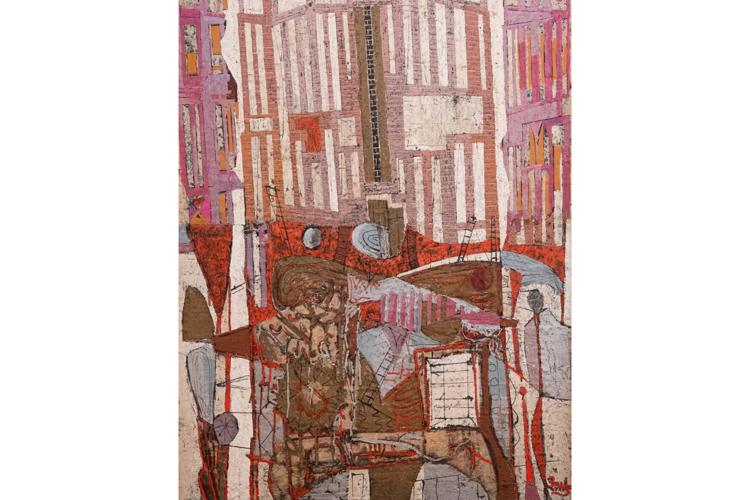
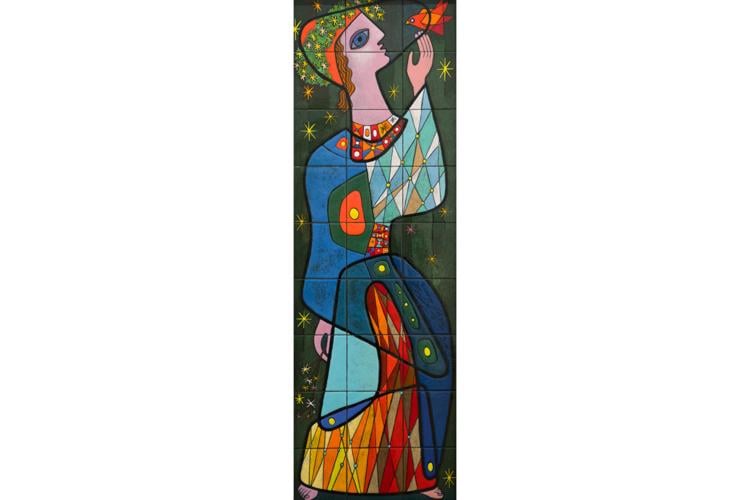
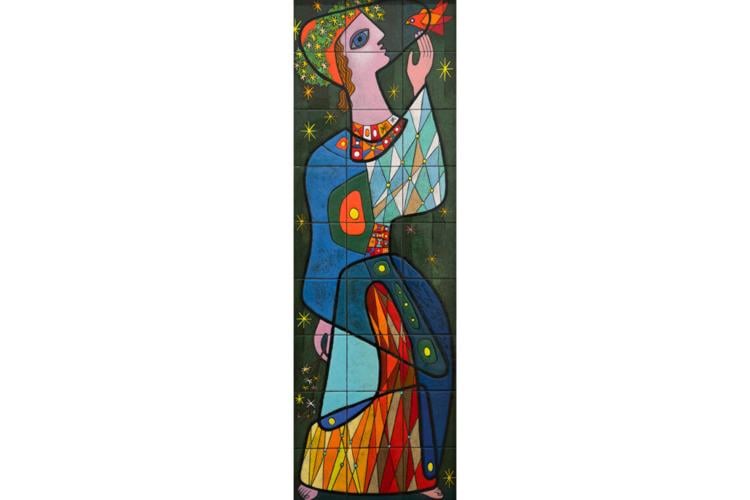
A section of the exhibition focuses on one year of the U. of I.’s Festival of Contemporary Arts, including paintings as well as ceramics, an enamel panel and a textile piece acquired from the “Contemporary American Painting and Sculpture” and “American Craftsmen” exhibitions that it hosted. It shows the U. of I.’s support for ceramics education at the time, as well as similarities in the colors and the cross-hatch and geometric patterns of the works across mediums, Koca Polite said.
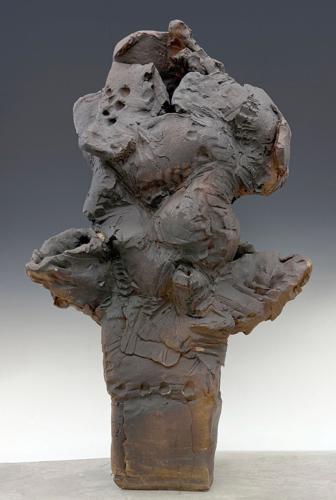
Ceramics artists began experimenting with more sculptural and conceptual work in the 1960s. “Artists really started to push clay in a whole new direction. You start to see more hand built, sculptural pieces that are nonfunctional and are about manipulating the inherent qualities of clay in innovative ways,” Koca Polite said.
The exhibition includes works by Marvin Lipofsky, who earned an industrial design degree at Illinois. The sculpture by Lipofsky on view is abstract but also suggests the figure, with visible marks from his hands and his tools. Instead of a glaze, Lipofsky used wood stain, the drips of which can be seen on the piece. “It’s a massive sculpture that invites close looking,” Koca Polite said.
Lipofsky studied ceramics with artist Harvey Littleton, and both would go on to transform the field of studio glass. The exhibition contains glass artworks by each of them as well as clay, allowing viewers to think about the evolution of both mediums and the connections between the two.
The exhibition groups the ceramic works in a way that illustrates the connections between artists. Many of them are organized by the academic institutions where the artists studied or taught, showing the influences of teachers on students, the types of experimentation going on within the various programs and the exchange of ideas.
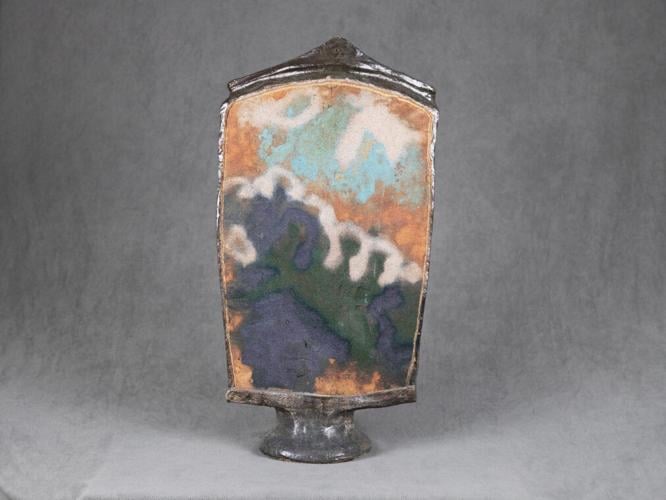
One work by artist Paul Soldner illustrates how he adapted a 16th-century Japanese tradition called raku, in which clay is removed from a kiln while still blazing hot and is cooled by air or water, rather than cooling inside the kiln. The technique produces a particular effect on glazes.
Soldner pioneered a variation of the technique in which the hot object is taken out of the kiln and added to a receptacle with combustible material such as sawdust, leaves or newspaper. As it cools, it leaves dark, smoky areas on the object.
Soldner studied with Peter Voulkos, an artist known for his abstract and experimental ceramics work. Soldner’s work is shown next to a piece by Voulkos, and another earlier work by Voulkos is displayed along with a pitcher created by Frances Senska, who taught Voulkos at Montana State College and who was one of a few female potters able to take advantage of the GI Bill, Koca Polite said.
The exhibition shows the influence of Voulkos on other artists as well, with a porcelain still life by artist Richard Shaw and a terra cotta pedestal with a bronze bust, in the style of a classic Greek herm statue, by artist Robert Arneson, known for his confrontational and humorous “funk art.”
Events related to the exhibition include an artist talk and tour on Sept. 19 at 10:30 a.m. with ceramic artist, sculptor and art professor Catherine Wiesener, and a thrown and altered clay workshop with Wiesener on Oct. 10 at 1 p.m. in the Ceramics Lab at Allen Hall. The workshop is limited to 10 people and advance registration is required.
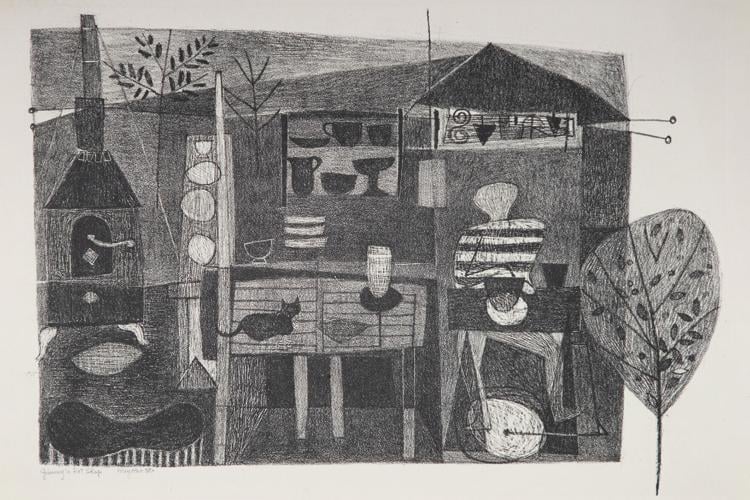
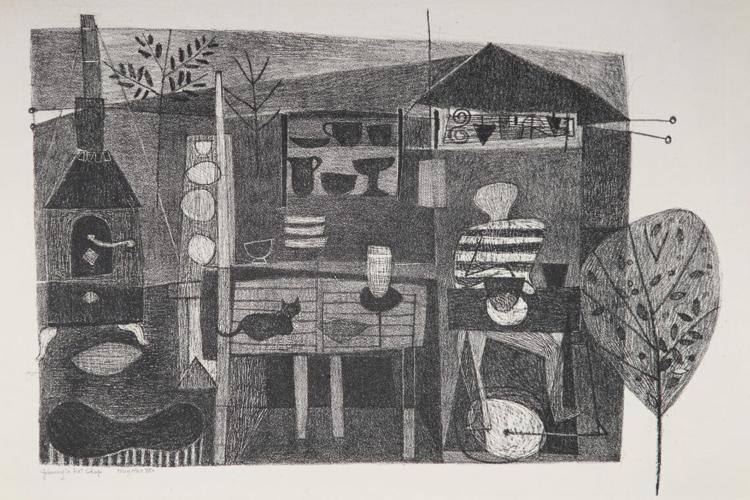
Miyoko Ito’s lithograph “Jimmy’s Pot Shop,” created in 1949, also appears in the exhibition.


