


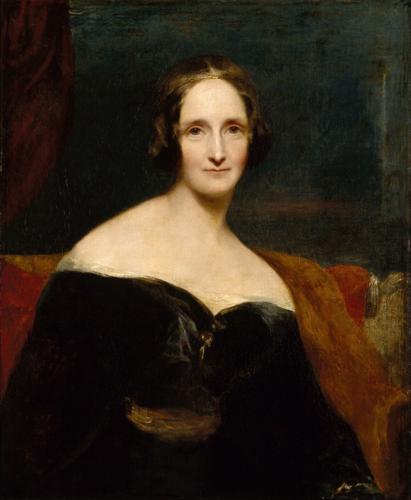
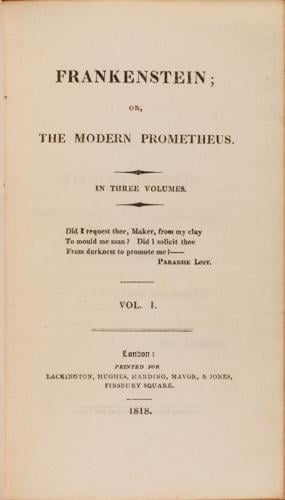
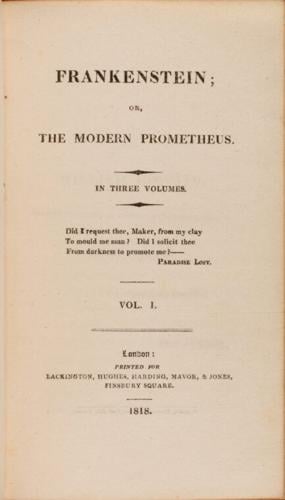
CHAMPAIGN, Ill. — The narrative of the novel “Frankenstein” by Mary Shelley, in which the scientist Victor Frankenstein creates a monster and brings it to life, is a well-known cultural touchstone. But the details of the novel itself are not nearly as well-known. A new exhibit at the Rare Book and Manuscript Library at the University of Illinois Urbana-Champaign explores Shelley’s life and career and provides context for her famous novel. It also celebrates the acquisition by the library a few years ago of a first edition of “Frankenstein.”
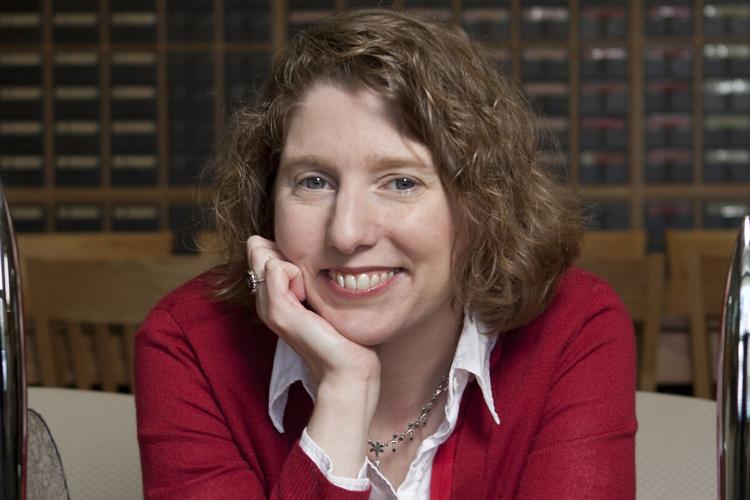
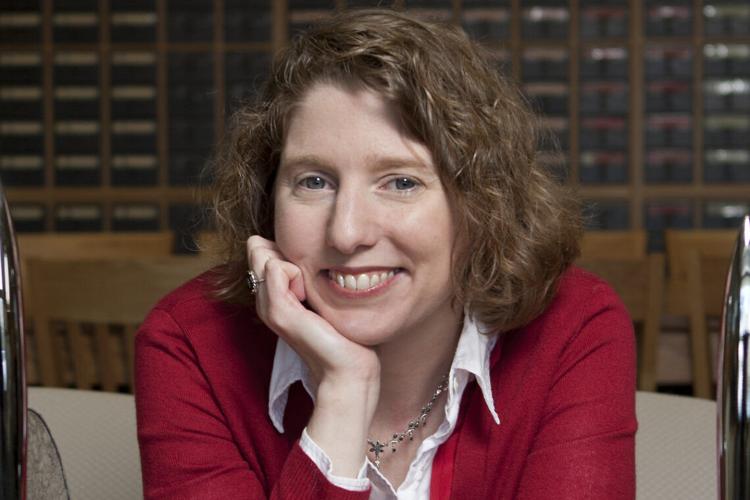
“People feel like they know the story. I make a distinction between ‘Frankenstein’ the novel and ‘Frankenstein’ the narrative. The touchstone most of us have is the Boris Karloff film rather than the novel,” said Lynne M. Thomas, the head of RBML and the curator of the exhibit.
People are also reading…
The exhibit, “’I could people the hours with creations:’ Celebrating Mary Shelley’s ‘Frankenstein,’” opens Sept. 24 with a reception from 3-5 p.m. It will run through May 2027.
Thomas said that more than 1,200 adaptations for film and TV feature the creature from “Frankenstein.”
“There are tons and tons of interpretations and reinterpretations of the narrative, but they often have little to do with the novel,” she said. “The characterization of the creature is completely different in the novel. He learns to speak French while going on a killing spree. In the films, he grunts a lot and doesn’t use a whole lot of language.”
The latter characterization, along with the image of a monster with bolts in his neck, is what most people picture, she said.
The novel has many nuances and complexities that aren’t apparent in film and TV adaptations, which are often condensed and simplified to focus on the monster story, Thomas said. The novel includes commentary on natural history, climate change and religion, and it draws from many literary traditions, she said.
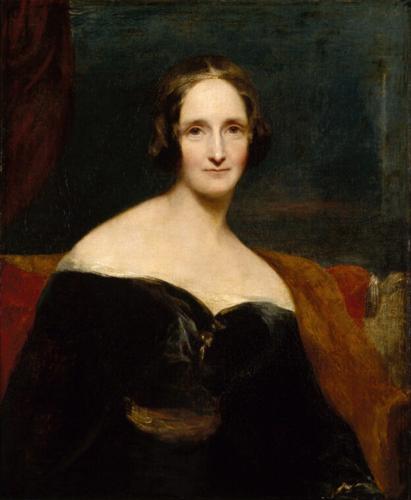
The exhibit includes materials related to the influence of Shelley’s family. Her father, William Godwin, and her mother, Mary Wollstonecraft, were radical philosophers. Shelley’s mother died shortly after giving birth to her, and she was tutored by her father in keeping with her mother’s belief that women should receive an education comparable to that of men at the time.
A section of the exhibit titled “Mary Shelley’s bookshelf” explores her literary and scientific influences, including texts on galvanism, or animating biological tissue with electricity. It includes an edition of “Paradise Lost” by John Milton, which heavily influenced Shelley and her novel.
Shelley began writing “Frankenstein” in 1816 while in Lake Geneva, Switzerland, with a group of companions that included her future husband, the poet Percy Shelley, and the poet Lord Byron. The writers were confined indoors during the “year without a summer,” when the eruption of the Tambora volcano in Indonesia and its enormous cloud of ash and sulfur affected weather across the globe, creating a volcanic winter. Shelley began writing “Frankenstein” when the group decided to write ghost stories. The exhibit includes the first edition of “Frankenstein” and other works begun that summer in Switzerland.
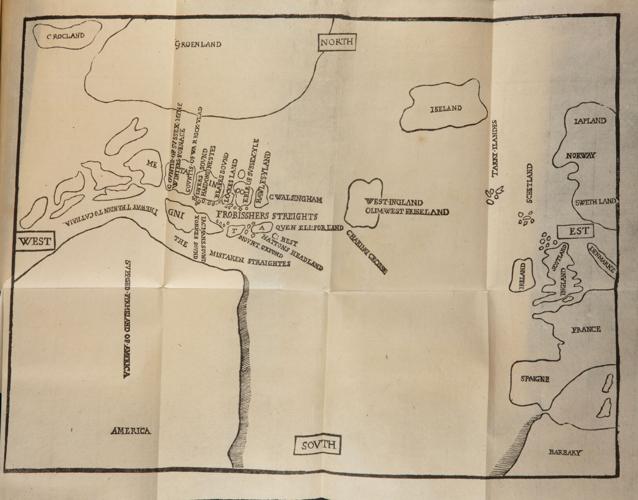
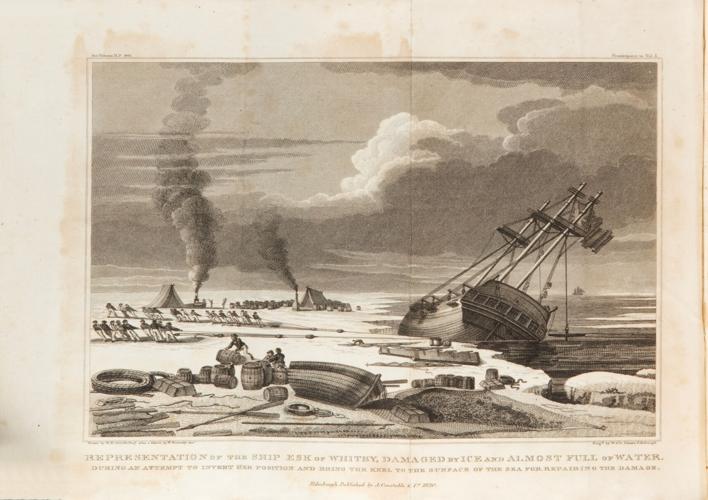
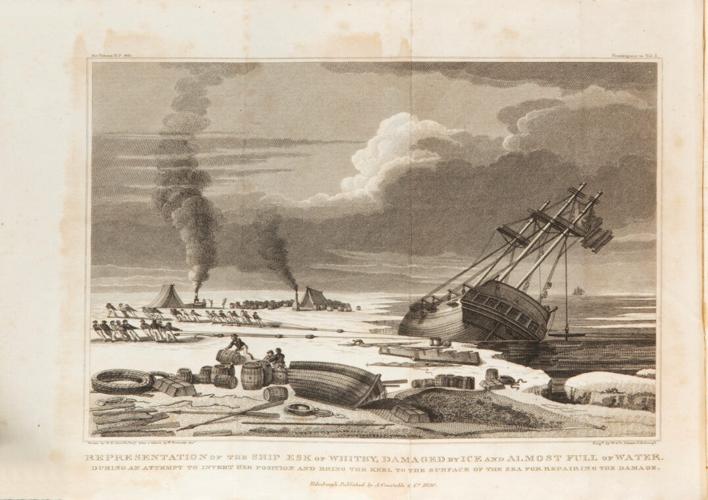
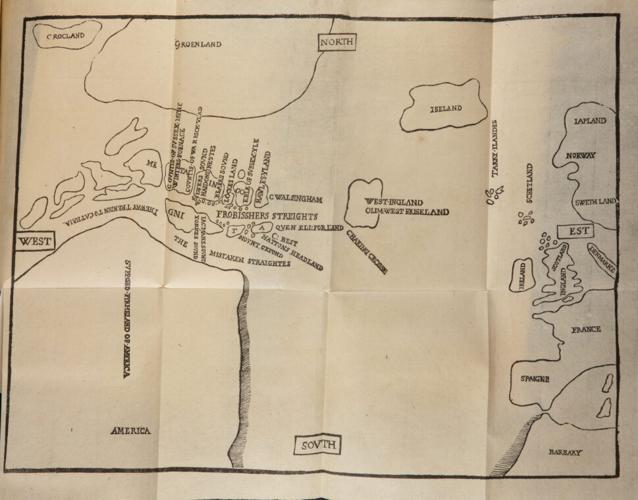
It also includes items from RBML’s extensive collection of materials related to Arctic exploration. A substantial portion of the novel is set in the Arctic, and the period from 1816-1818, while Shelley was writing “Frankenstein,” was a crucial period during which explorers were searching for a Northwest Passage. The Tambora eruption also changed the weather in the Arctic, causing a melting of ice and making the area more accessible to explorers, Thomas said.
Shelley’s novel was popular during her lifetime and was adapted for stage plays but also received mixed responses, Thomas said. The exhibit includes a first edition of the 1983 book “How to Suppress Women’s Writing,” by Joanna Russ that lists examples of criticisms of the literary works of women, including claims that “She didn’t write it,” “She wrote it, but she shouldn’t have,” “She wrote it, but look what she wrote about” and “She wrote it, but she had help” — all criticisms aimed at Shelley.
Shelley’s father wrote a memoir intending to honor her late mother, but Wollstonecraft received more attention after her death for her affairs and suicide attempts than for her writing, Thomas said.
“Part of the argument I make is that both Mary Shelley and Mary Wollstonecraft were subject to that erasure to some extent,” she said.
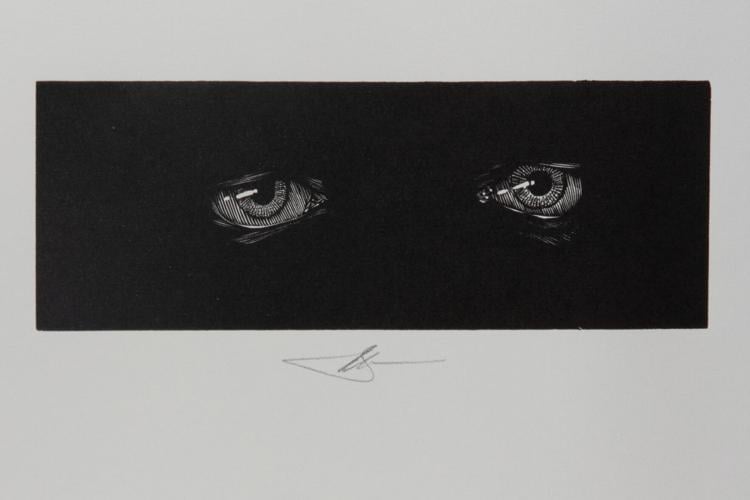
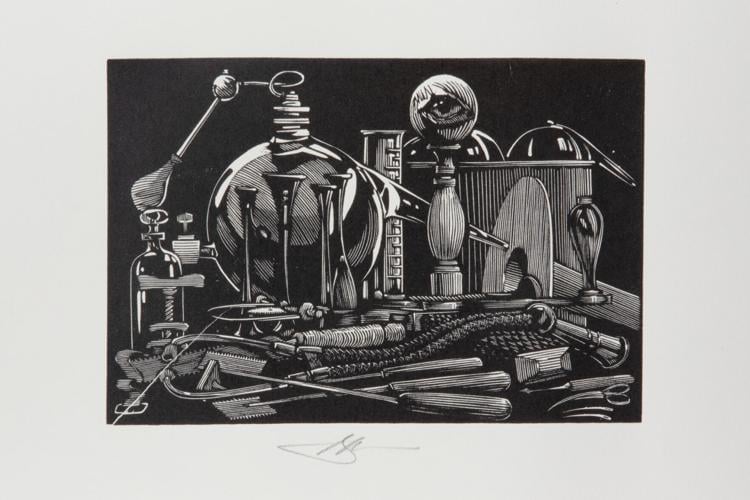
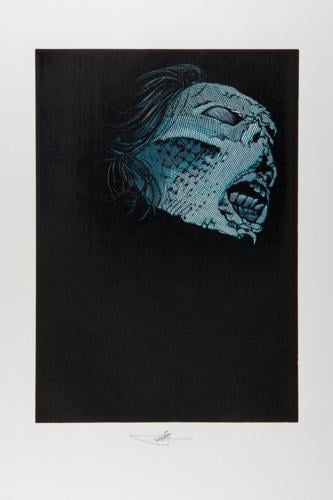
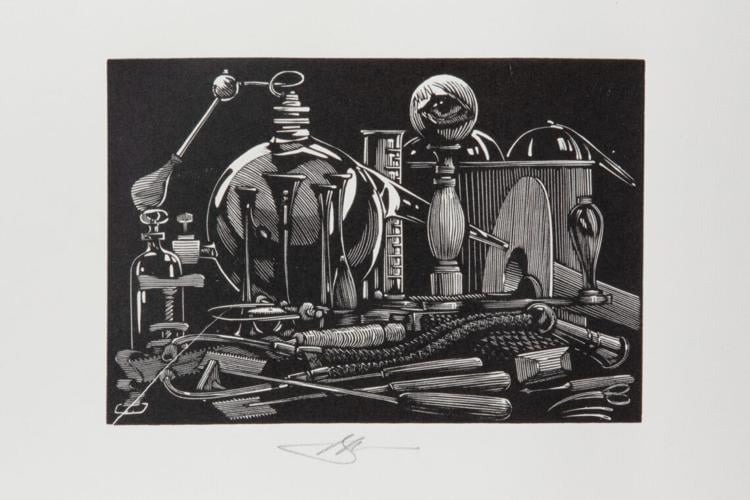
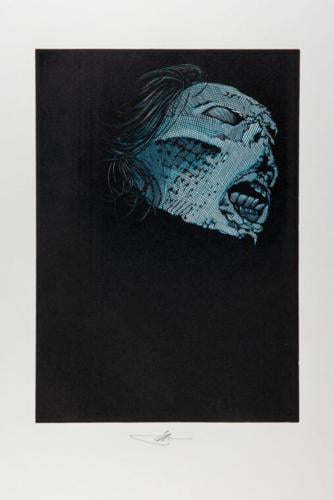
The exhibit includes materials from TV and film adaptations of “Frankenstein,” including a script from the 1931 movie open to the page featuring the moment when Frankenstein declares of his creature, “It’s alive,” and stills from the 1974 film “Young Frankenstein.” It also includes contemporary illustrations of the novel by artist Barry Moser from a 1983 edition of the book.
Today, Shelley is the subject of memes featuring Gothic clothes and scary stories, Thomas said.
“Her narrative has become condensed and a lot less nuanced,” she said. “My hope is that folks who aren’t as familiar with ‘Frankenstein,’ how it came into being and what it’s about will learn a little bit more about it and a little bit more about Mary Shelley, just as I did when putting together this exhibition.”


